If you’re shopping for new hardwood floors, you’ve probably asked yourself one of the most common questions homeowners have: Solid vs. Engineered Hardwood—which one is better?
The truth is, there isn’t a one-size-fits-all answer. Both flooring options are beautiful, durable, and can increase the value of your home. The best choice depends on your lifestyle, your home’s environment, your budget, and your long-term goals.
At Wood Flooring Doctopr, we’ve installed, repaired, refinished, and restored hardwood floors throughout the state for years. We’ve seen firsthand what works—and what doesn’t. This guide will help you understand the differences so you can make the best investment for your home.
What Is Solid Hardwood?
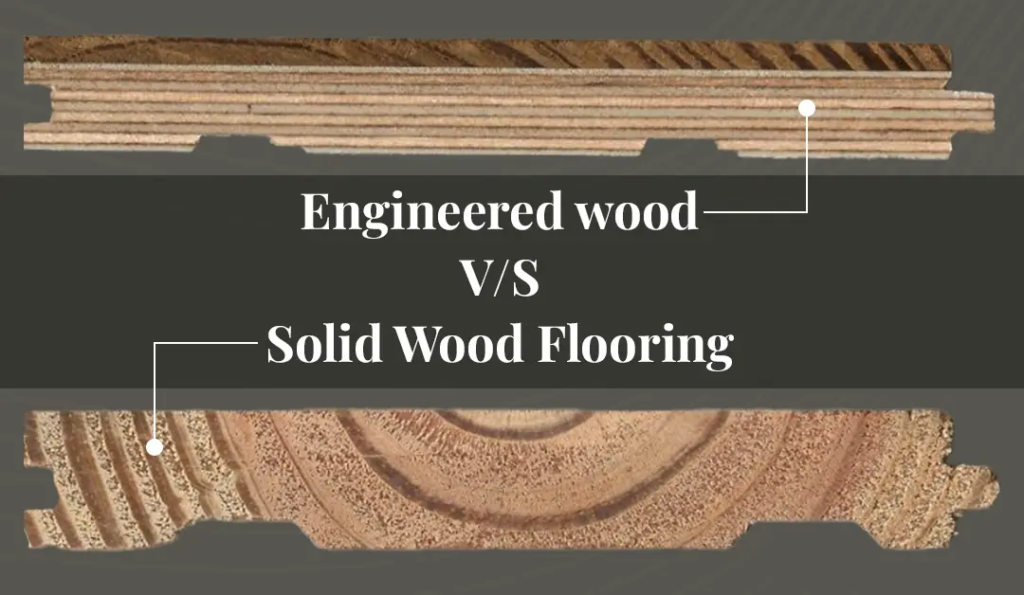
Solid hardwood flooring is exactly what it sounds like. Each plank is made from a single piece of real hardwood, such as oak, maple, hickory, walnut, or white oak.
Most solid hardwood flooring is ¾-inch thick and can last for generations when properly maintained.
Advantages of Solid Hardwood
- 100% natural wood
- Can be sanded and refinished multiple times
- Can last 75–100+ years
- Adds exceptional resale value
- Timeless appearance that never goes out of style
Because solid hardwood can be refinished several times over its lifespan, many historic homes still have their original hardwood floors today.
What Is Engineered Hardwood?
Engineered hardwood is also made with real hardwood—but only the top layer.
Beneath that hardwood veneer are several layers of high-quality plywood or hardwood that are bonded together in different directions. This construction makes engineered flooring more stable when humidity and temperature change.
Many homeowners are surprised to learn that the visible surface is still genuine hardwood.
Solid vs. Engineered Hardwood: The Biggest Differences
Although both products use real wood, they perform differently in certain environments.
Durability
Solid hardwood has incredible longevity because it can be refinished many times throughout its life.
Engineered hardwood is also durable, but the number of times it can be refinished depends on the thickness of its wear layer.
Winner: Solid hardwood for long-term lifespan.
Moisture Resistance
This is where engineered hardwood shines.
Because of its layered construction, engineered flooring expands and contracts much less than solid hardwood.
That makes it an excellent choice for:
- Basements
- Homes near the coast
- Areas with changing humidity
- Concrete slab foundations
Winner: Engineered hardwood.
Appearance
Many homeowners worry engineered hardwood looks fake.
The reality?
High-quality engineered flooring looks nearly identical to solid hardwood because the surface is genuine wood.
Once installed, even flooring professionals often have to look closely to tell the difference.
Winner: Tie.
Installation
Engineered hardwood offers more installation options.
Depending on the product, it can be:
- Glued down
- Floated
- Stapled
- Installed over concrete
Solid hardwood is usually nailed to a wood subfloor.
Winner: Engineered hardwood.
Refinishing
Solid hardwood can usually be refinished six to ten times.
Engineered hardwood may only allow one to three refinishings depending on the thickness of the top hardwood layer.
Winner: Solid hardwood.
Cost
Pricing varies depending on the species and manufacturer.
In many cases, engineered hardwood costs about the same as mid-grade solid hardwood.
The installation method often has a greater impact on the total project cost than the flooring itself.
Which Hardwood Flooring Lasts Longer?
If you’re planning to stay in your home for decades, solid hardwood is hard to beat.
With proper maintenance, it can easily last a lifetime.
Engineered hardwood typically lasts 25–50 years, with premium products lasting even longer.
Both options provide excellent value when installed correctly.
Which Flooring Is Better for Families?
If you have children, pets, or a busy household, both flooring types perform well.
The most important factor isn’t whether the floor is solid or engineered.
It’s choosing:
- The right wood species
- The proper finish
- Professional installation
For example, hickory and white oak resist dents better than softer woods like pine.
Which Flooring Adds More Home Value?
Real hardwood flooring consistently ranks among the most desirable flooring options for homebuyers.
Whether you choose solid or engineered hardwood, professionally installed hardwood flooring can improve your home’s appearance and resale value.
The key is selecting quality materials and having them installed correctly.
Common Questions About Solid vs. Engineered Hardwood
Can engineered hardwood be refinished?
Yes. Premium engineered hardwood with a thick wear layer can usually be refinished at least once, while thinner products may not be suitable for sanding.
Does engineered hardwood scratch easier?
No. Scratches depend on the finish and the wood species—not whether the flooring is solid or engineered.
Is engineered hardwood real wood?
Absolutely. The top layer is genuine hardwood.
Is solid hardwood worth the extra investment?
For homeowners looking for maximum lifespan and multiple refinishing opportunities, solid hardwood is often worth the investment.
Which Hardwood Flooring Should You Choose?
Choose solid hardwood if you:
- Plan to stay in your home long-term
- Want flooring that can last generations
- Prefer traditional installation
- Want the ability to refinish multiple times
Choose engineered hardwood if you:
- Have a concrete subfloor
- Need better moisture resistance
- Want more installation options
- Live in an area with changing humidity
Why Homeowners Trust Wood Flooring Doctopr
Choosing hardwood flooring isn’t just about picking a product—it’s about choosing the right installer.
At Wood Flooring Doctopr, we help homeowners throughout the state select flooring that fits their home, lifestyle, and budget. From new hardwood installations to refinishing worn floors and restoring older wood, our goal is always the same: exceptional craftsmanship and honest advice.
We believe every project deserves the same attention to detail we’d expect in our own homes.
Ready to Upgrade Your Hardwood Floors?
If you’re still deciding between solid vs. engineered hardwood, we’d be happy to help.
Our team can explain the pros and cons of each option, recommend the best flooring for your home, and provide a free estimate.
Whether you’re remodeling one room or installing hardwood throughout your entire home, Wood Flooring Doctopr is here to help you make a confident decision.
Contact us today to schedule your free consultation and discover why homeowners across the state trust us with their hardwood flooring projects.
Wood Flooring Doctor
East Haven, Connecticut