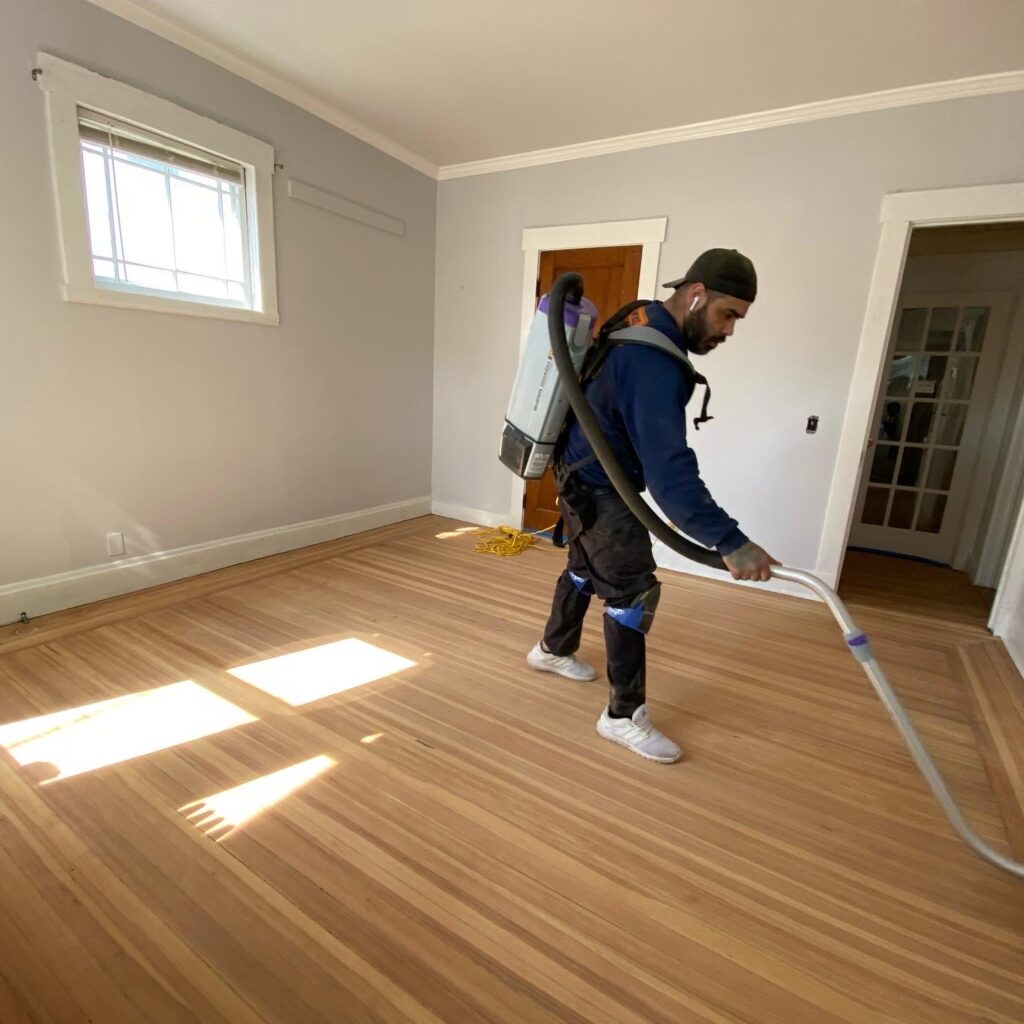
Hardwood floors are one of the most valuable features in a Connecticut home. Whether you own a historic colonial in Litchfield County, a shoreline home in New Haven County, or a newer property in Fairfield County, refinishing can restore decades of beauty at a fraction of the cost of replacement.
This 2026 guide covers everything Connecticut homeowners should know before refinishing hardwood floors.
Why Refinish Instead of Replace?
Refinishing removes the worn surface of solid hardwood, repairs minor damage, and applies a new protective finish.
Benefits include:
- Restores the original beauty of wood
- Removes scratches, stains, and discoloration
- Extends floor life by decades
- Increases resale value
- Costs significantly less than installing new hardwood
Most solid hardwood floors can be refinished 4–7 times over their lifespan, depending on the thickness of the wear layer.
Signs Your Hardwood Floors Need Refinishing
Watch for these common indicators:
- Surface scratches throughout the home
- Dull appearance that cleaning won’t fix
- Worn finish in high-traffic areas
- Water no longer beads on the surface
- Minor discoloration from sunlight
- Pet claw marks
- Small dents and gouges
If the wood itself is badly warped, has severe water damage, or is too thin from previous sanding, replacement may be a better option.
Connecticut’s Climate Makes Maintenance Important
Connecticut experiences:
- Humid summers
- Dry winters
- Significant seasonal temperature swings
These conditions cause hardwood flooring to naturally expand and contract throughout the year.
Professional refinishing helps protect the wood from:
- Moisture damage
- Surface cracking
- Everyday wear
- UV fading
Maintaining indoor humidity around 35–55% can also reduce seasonal movement.
Hardwood Species Common in Connecticut Homes
Many Connecticut homes feature:
- Red Oak
- White Oak
- Maple
- Pine
- Ash
- Hickory
Older homes built before 1950 often contain beautiful original oak or pine flooring that can frequently be restored rather than replaced.
The Hardwood Floor Refinishing Process
1. Inspection
A flooring professional evaluates:
- Board thickness
- Existing finish
- Previous sanding
- Water damage
- Loose boards
- Repairs needed
2. Room Preparation
Before sanding:
- Remove furniture
- Remove rugs
- Cover HVAC vents
- Seal adjoining rooms
- Repair damaged boards if necessary
3. Sanding
Professional refinishing generally involves several sanding stages:
- Coarse grit
- Medium grit
- Fine grit
This removes:
- Old polyurethane
- Scratches
- Minor dents
- Surface stains
Proper sanding is the most important part of the project; flooring professionals consistently note that the quality of the sanding largely determines the final appearance.
4. Repairs
Small imperfections are addressed before finishing:
- Wood filler
- Board replacement
- Nail setting
- Gap repair (where appropriate)
5. Optional Staining
Many Connecticut homeowners choose:
- Natural
- Provincial
- Early American
- Classic Gray
- Jacobean
- Special Walnut
Lighter natural finishes remain popular because they hide dust and scratches better than very dark floors.
6. Protective Finish
Most professionals recommend polyurethane.
Water-Based Polyurethane
Pros:
- Low odor
- Fast drying
- Clear finish
- Less yellowing
Oil-Based Polyurethane
Pros:
- Rich amber color
- Excellent durability
- Traditional appearance
Premium two-component water-based finishes are increasingly favored for high-traffic homes because of their durability and faster cure times.
Dustless Hardwood Floor Refinishing
Modern equipment captures most sanding dust.
Benefits include:
- Cleaner home
- Less cleanup
- Better indoor air quality
- Faster project completion
While not completely dust-free, today’s containment systems dramatically reduce airborne dust compared with older sanding methods.
How Long Does Refinishing Take?
Typical schedule:
| Home Size | Estimated Time |
|---|---|
| One room | 2–3 days |
| 1,000 sq ft | 3–5 days |
| Whole home | 5–7 days |
Curing time varies by finish. Many water-based finishes allow light foot traffic within a day, but full cure can take several days to weeks, so rugs and heavy furniture should wait until the manufacturer’s recommendations are met.
Hardwood Floor Refinishing Costs in Connecticut (2026)
Average professional pricing:
| Service | Typical Cost |
|---|---|
| Refinishing | $4–$11 per sq ft |
| 200 sq ft room | $800–$2,200 |
| 600 sq ft main floor | $2,250–$6,750 |
Pricing depends on:
- Wood species
- Repairs required
- Stain selection
- Finish type
- Furniture moving
- Accessibility
- Local labor rates
DIY vs Professional Refinishing
DIY Advantages
- Lower upfront cost
- Flexible schedule
DIY Challenges
- Heavy equipment
- Learning curve
- Visible sanding marks
- Dust control
- Risk of damaging floors
Professionals generally achieve more consistent results because sanding technique, edge work, and finish application require experience.
How Often Should Hardwood Floors Be Refinished?
Typical timeline:
- High traffic: every 7–10 years
- Moderate traffic: every 10–15 years
- Light traffic: every 15–20 years
Routine cleaning and periodic maintenance coats can extend the time between full refinishing projects.
Questions to Ask Before Hiring a Contractor
Before signing a contract, ask:
- Are you licensed and insured?
- Do you offer dust containment?
- Which finish products do you use?
- How many coats are included?
- Is stain included?
- What warranty do you provide?
- Can I see recent local projects?
- Will damaged boards be repaired?
Also ask for the specific finish product rather than just the brand name, since product lines can vary significantly in durability.
Maintaining Newly Refinished Floors
To maximize the life of your investment:
- Sweep frequently
- Use microfiber dust mops
- Clean with pH-neutral hardwood cleaners
- Use felt pads under furniture
- Avoid excessive water
- Place mats at entrances
- Maintain indoor humidity
Avoid steam mops and harsh cleaners unless the flooring manufacturer specifically approves them.
Frequently Asked Questions
Can engineered hardwood be refinished?
Some engineered hardwood floors can be refinished, depending on the thickness of the top hardwood layer.
Can deep pet scratches be repaired?
Most surface scratches disappear during sanding. Very deep gouges may require board replacement.
Should I move out during refinishing?
Many homeowners remain elsewhere during sanding and finishing because of noise, odors (especially with oil-based finishes), and restricted access.
Does refinishing increase home value?
Well-maintained hardwood floors are widely considered a desirable feature and can improve a home’s appeal to buyers.